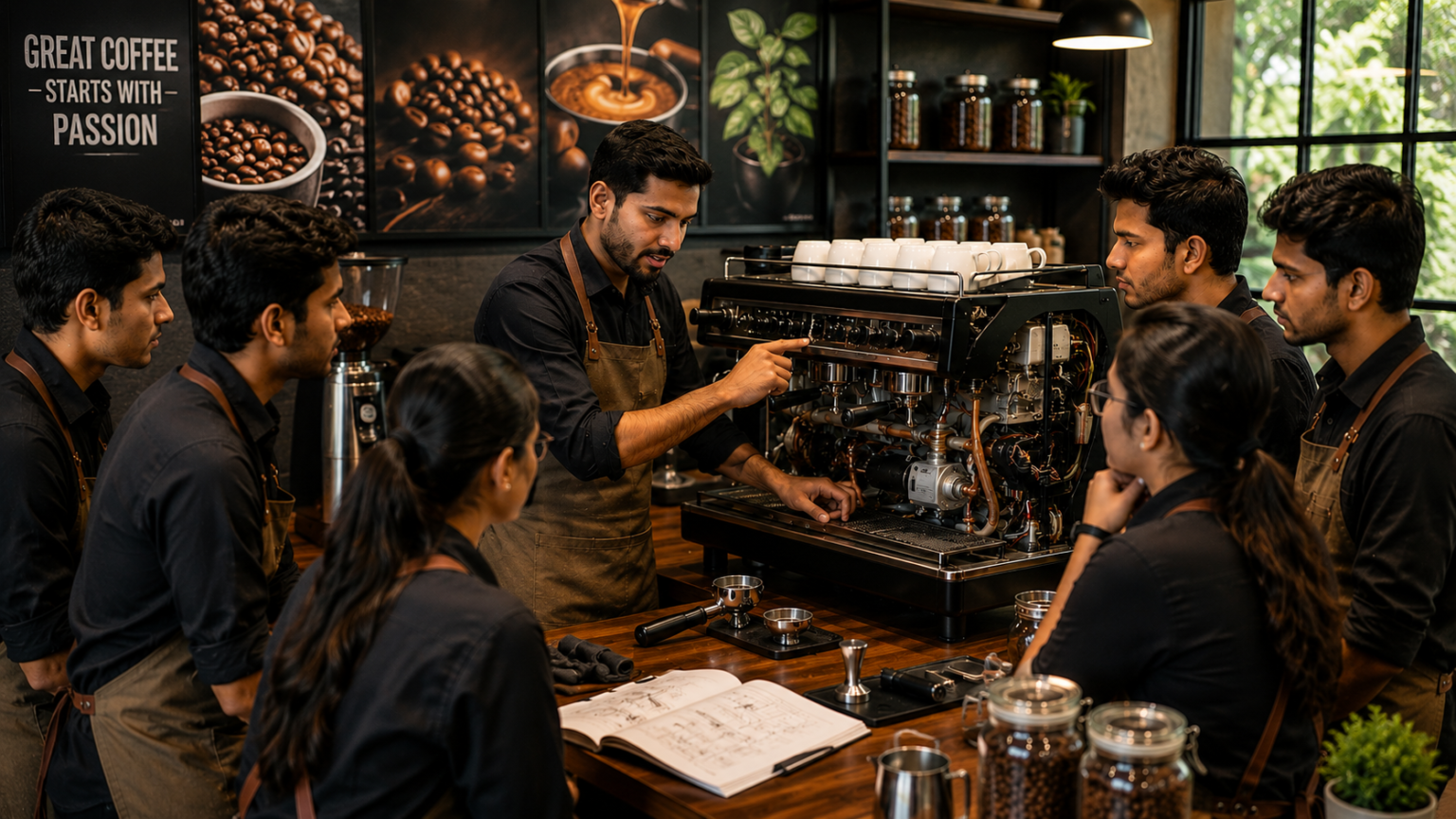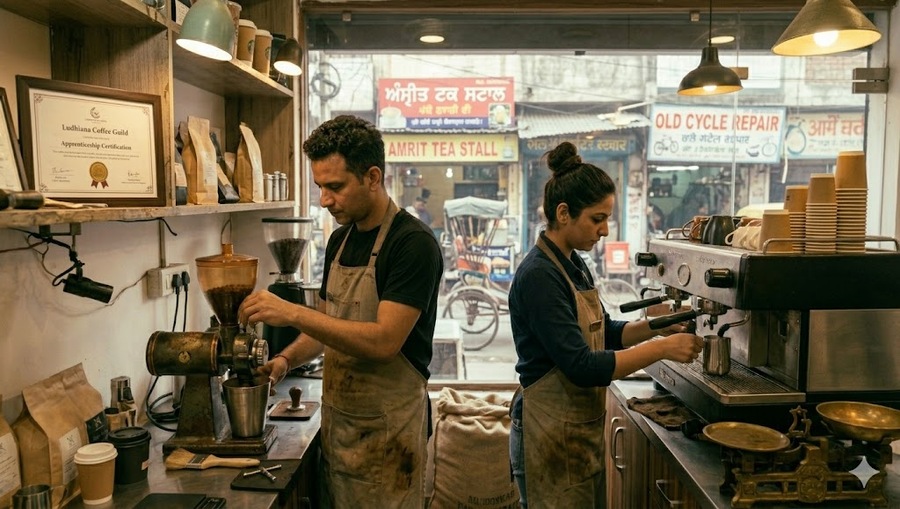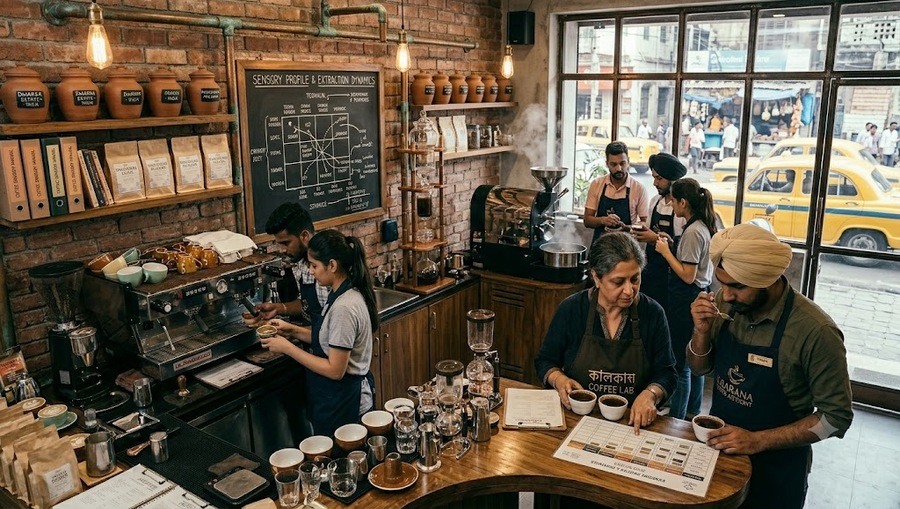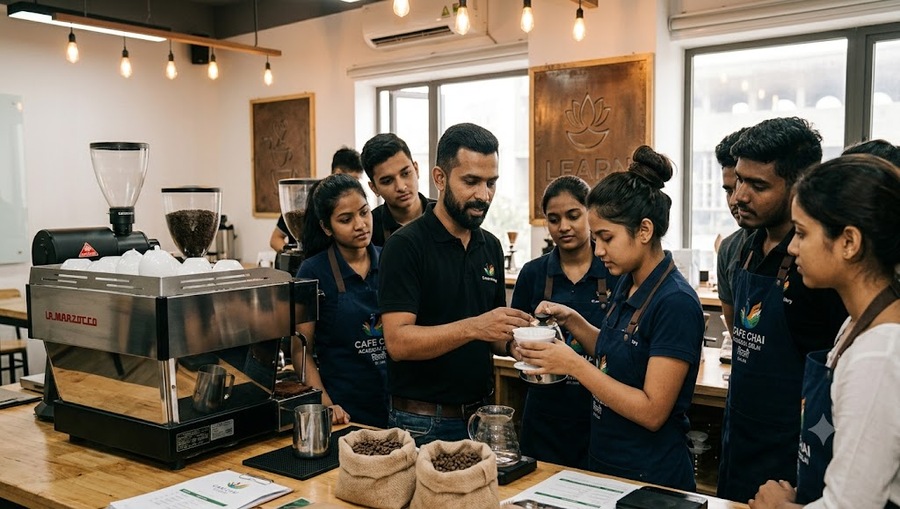
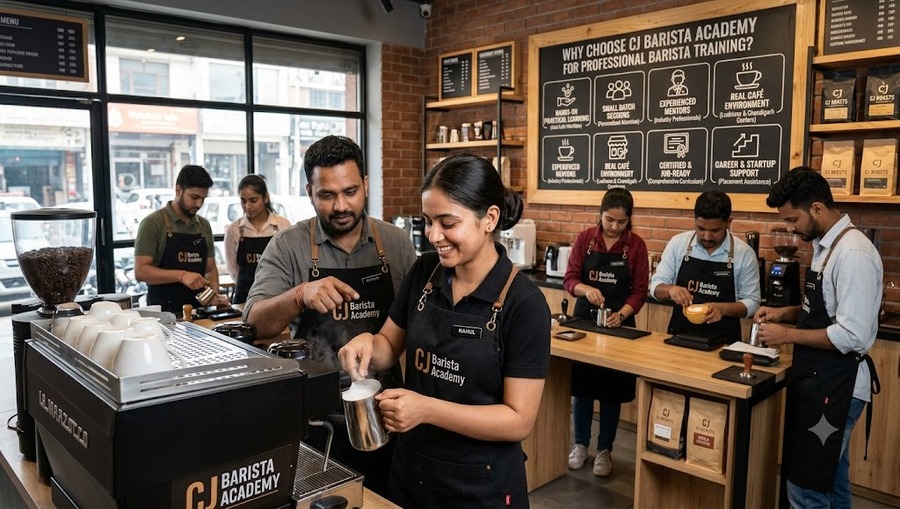
Choosing the Best Barista Academy can make a big difference when building a career in the coffee industry. Whether you are a beginner, coffee enthusiast or aspiring café owner, the right barista training academy can help you develop practical skills, confidence and real-world knowledge. Look for hands-on practice with professional equipment, experienced trainers, a structured curriculum and skills that match modern café work.
A quality academy should cover essential areas such as espresso preparation, milk steaming, brewing, customer service and café workflow. In this guide, you will learn how to compare academies, what to look for in a coffee course, common mistakes to avoid and how professional training can support your career goals, including why CJ Barista Academy in Ludhiana can be a practical choice for career-focused learners.
Key Takeaways
- Choose an academy that provides hands-on barista training, not theory alone.
- Check whether the curriculum covers espresso, brewing, milk steaming, latte art and café workflow.
- Look for professional espresso machines, grinders and other café equipment.
- Consider trainer experience, class size, practice time and individual feedback.
- Compare course structure, duration, certification, location and overall value.
- Career guidance can be useful if your goal is employment or café entrepreneurship.
- CJ Barista Academy focuses on practical coffee education and real-world café skills in Ludhiana.
Career Opportunities After Barista Training
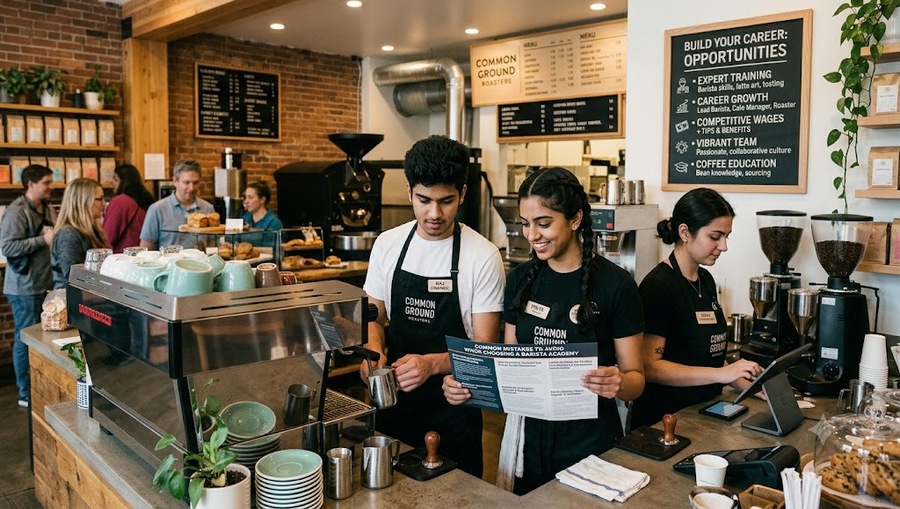
Professional barista training can prepare you for a range of roles in the café, coffee and hospitality industry. By developing practical barista skills, you can build a foundation for entry-level employment, career growth, café management or even future business ownership.
1. Professional Barista
A professional barista prepares coffee beverages, operates café equipment, maintains beverage quality, interacts with customers and keeps the workstation clean and organized. Strong espresso preparation, milk steaming, brewing and customer service skills can help you perform confidently in a busy café.
2. Café Supervisor
With experience, a barista may progress into a supervisory position. A café supervisor can help coordinate staff, maintain service quality, manage daily workflow and ensure that customers receive consistent service.
3. Café Manager
A café manager typically handles broader operational responsibilities, including staff management, customer experience, inventory, quality standards, scheduling and day-to-day café operations. Barista training can provide a useful foundation before moving into these leadership responsibilities.
4. Coffee Consultant
Experienced coffee professionals may explore opportunities as coffee consultants or trainers. Depending on their expertise, they may support businesses with coffee preparation, staff training, menu development, beverage quality or café operations.
5. Café Entrepreneur
If your long-term goal is to open your own café, a coffee making course can help you understand the practical side of beverage preparation and café workflow. However, successful café ownership also requires business planning, budgeting, marketing, staffing, customer service and operational knowledge.
6. Skills That Support Career Growth
Your career opportunities can grow as you develop key barista skills such as espresso preparation, milk steaming, latte art, coffee brewing, equipment handling, customer service, café workflow, hygiene, communication, teamwork and time management.
7. What to Expect After Training
Completing a barista course can give you a foundation but training alone does not guarantee employment or business success. Your results will also depend on practical experience, communication, work ethic, local opportunities, continued learning and business planning.
If you want to build long-term barista careers, choosing quality training and continuing to develop your practical coffee skills can help you become more confident and prepared for opportunities in the growing café industry.
Check the Barista Course Curriculum Before Enrolling
Before choosing a barista training academy, ask for a detailed course curriculum to understand exactly what you will learn. A course description that simply says “learn coffee making” does not provide enough information. A well-structured coffee course should combine theory with hands-on practice in espresso, milk techniques, brewing, equipment handling and café operations.
1. Espresso Training
Espresso training is one of the most important parts of professional barista education. Students should learn how to operate an espresso machine and grinder while understanding the key factors that influence extraction and beverage quality.
2. Latte Art Training
Latte art training helps students develop milk-steaming, pouring and presentation skills. Good training should focus first on creating smooth, well-textured milk before moving into decorative patterns.
3. Coffee Brewing
Espresso is only one part of the coffee industry. A comprehensive coffee making course may also introduce students to different brewing methods and explain how factors such as grind size, water, coffee dose and brewing time influence the final cup.
4. Café Workflow
A professional barista needs more than beverage-making skills. Effective barista training should also introduce students to the practical tasks involved in running a café workstation.These skills are particularly valuable for students who want to work in busy cafés where speed, consistency, cleanliness and teamwork are essential.
A detailed curriculum can help you choose a barista training academy that provides the practical skills and knowledge you need to move confidently toward your career goals.
About CJ Barista Academy – Career-Focused Choice for Aspiring Baristas
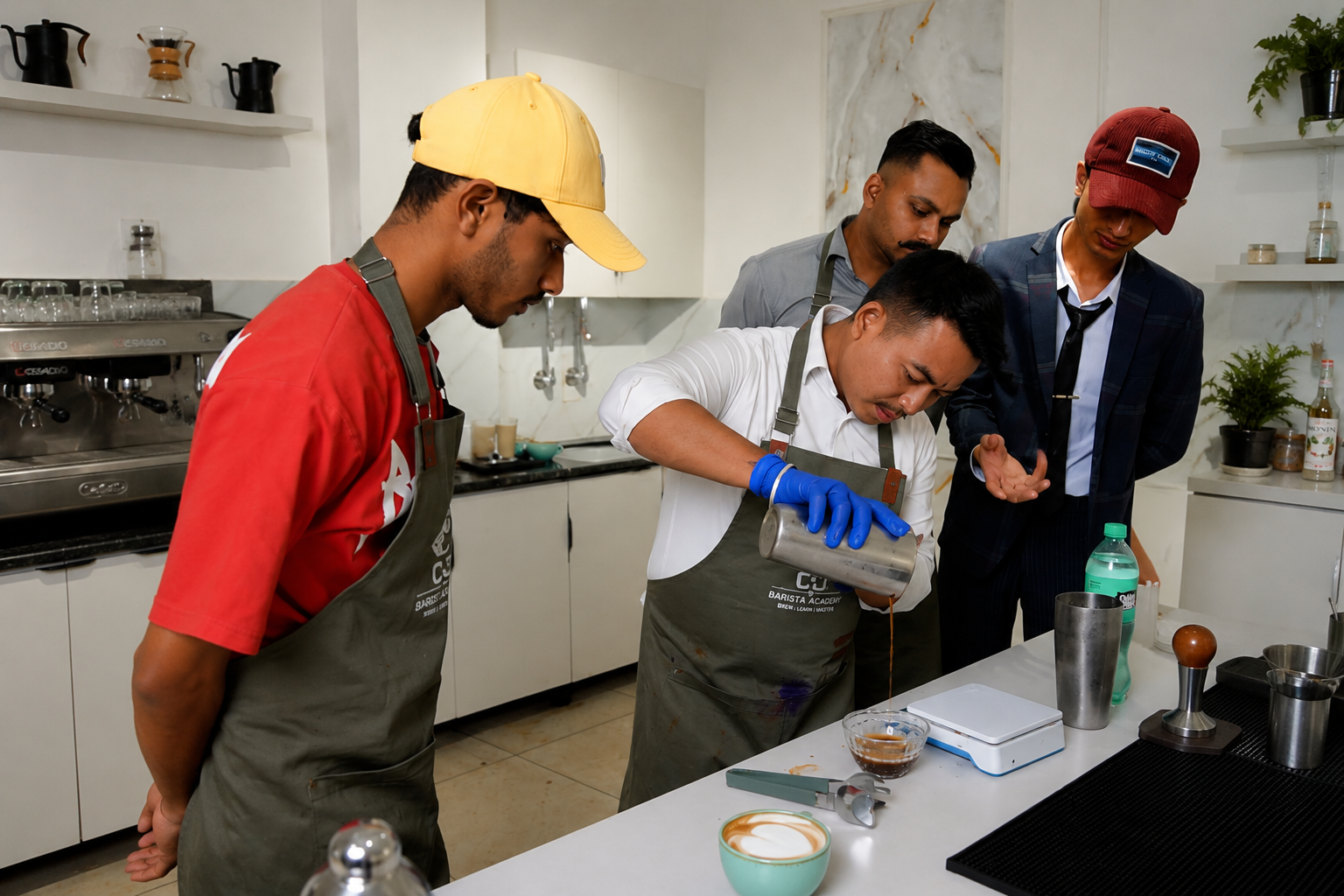
CJ Barista Academy is a barista training academy in Ludhiana focused on practical coffee education, professional barista training and café business learning. The academy emphasizes hands-on practice to help beginners build real-world coffee skills and confidence through training with professional espresso machines, grinders, brewing equipment and café-style workflows.
Students can develop essential barista skills such as espresso preparation, milk steaming, latte art, brewing methods, machine handling and café workflow management. The academy also focuses on beginner-friendly learning, practical experience and career-oriented guidance to help students prepare for opportunities in cafés and the hospitality industry.
Common Mistakes to Avoid When Choosing a Barista Academy
Choosing the wrong barista training academy can waste your time, money and effort. Before enrolling, compare the quality of practical training, instructors, equipment, curriculum and career support to make sure the course matches your goals.
1. Choosing an Academy Without Visiting
If possible, visit the academy before enrolling in barista training near me. Seeing the training environment in person can help you understand what the learning experience will actually be like.
2. Focusing Only on Certification
A certificate can be useful but it should not be the only reason you choose a barista training program. Employers also value practical ability and confidence with café equipment.
3. Ignoring Equipment Quality
Equipment plays an important role in professional barista skills development. If your goal is to work in a café, you should have opportunities to become comfortable using suitable espresso machines, grinders, steam wands and brewing tools.
4. Not Asking About Career Support
If your goal is to build a barista career, ask what support the academy provides after training. Career guidance can help you understand possible employment paths and prepare for the next step.
5. Not Checking the Course Curriculum
Another common mistake is enrolling without reviewing the full coffee making course curriculum. A course should clearly explain what you will learn and how much time is dedicated to practical training.
6. Not Comparing Practice Time
Course duration alone does not tell you how much you will learn. A longer course may provide less practical experience than a shorter program with more hands-on sessions.
Before choosing a barista training academy, compare practical learning, equipment, instructors, curriculum and career support rather than focusing on one factor alone. Taking the time to ask the right questions can help you choose training that builds useful barista skills and supports your long-term career goals.
Why Choose CJ Barista Academy for Professional Barista Training?
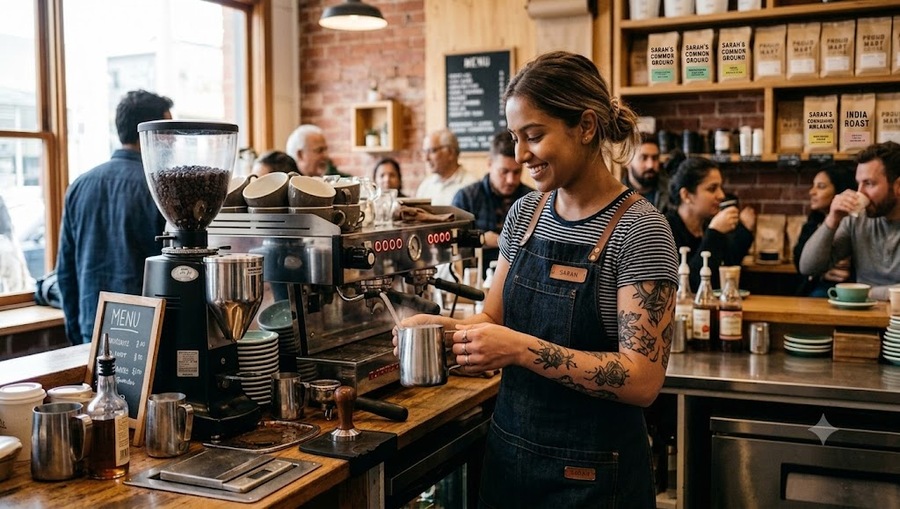
Choosing the right barista training academy can help you build practical skills, confidence and knowledge for a successful career in the coffee industry. CJ Barista Academy focuses on hands-on learning, beginner-friendly instruction and career-focused training to help students prepare for real café environments.
1. Hands-On Coffee Training
CJ Barista Academy emphasizes learning by doing rather than relying only on classroom theory. Students get opportunities to practice with professional coffee equipment and understand how different café tools work.
2. Beginner-Friendly Learning
You do not need extensive coffee knowledge before joining a coffee making course. A structured beginner-friendly program can introduce you to coffee fundamentals and gradually move toward more advanced practical techniques.
3. Career-Focused Training
CJ Barista Academy focuses on training that can support different barista careers and professional goals. Whether you want to work as a professional barista, progress toward café management or eventually start your own coffee business, practical training can provide a useful foundation.
4. Small-Batch Training Environment
When comparing academies, it is useful to ask about current batch sizes and how much hands-on machine time each student receives. The amount of actual practice can be just as important as the advertised course duration.
5. Practical Espresso and Latte Art Skills
Strong espresso training is an important part of professional barista education. Students need to become familiar with espresso machines, grinders, extraction and the factors that influence beverage quality.
6. Mentorship and Career Guidance
CJ Barista Academy focuses on mentorship and career-oriented guidance to help students understand potential professional paths. This can be useful for learners who want to explore employment, café management or future café ownership.
7. A Practical Learning Path for Aspiring Baristas
A well-structured barista training program should help you progress from basic coffee knowledge to practical café skills. At CJ Barista Academy, the focus on hands-on learning can help students develop familiarity with equipment, beverage preparation and everyday café operations.
If you are looking for barista training near me in Ludhiana or nearby areas, CJ Barista Academy can be a practical option to explore. Contact the academy to learn more about available courses, training schedules and enrollment options.
Start Your Barista Career With the Right Training
If you are ready to explore a coffee course, contact the academy to learn about the current course structure, practical training and enrollment options.
Ludhiana Address:
27/209, D Block, Zorawar Towers, First Floor, Model Town Extension, Ludhiana, Punjab – 141003
Chandigarh Address:
SCO 369, Second Floor, Sector 44D, Chandigarh
Phone: +91 9056774699 / +91 9056774700
Email: info@cjbaristaacademy.com
Conclusion: Choose a Barista Academy That Builds Real-World Skills
Choosing the Best Barista Academy means finding training that matches your career goals while helping you build practical skills for a café environment. Look beyond certificates and advertisements by comparing hands-on practice, trainer experience, equipment, curriculum, class size and career support. A quality barista training academy should give you real opportunities to practice espresso preparation, milk steaming, latte art, brewing and café workflow.
For aspiring baristas in Ludhiana and nearby areas, CJ Barista Academy offers practical coffee education focused on real-world café skills and career preparation. If you are serious about building your barista career, compare your options carefully, ask the right questions and choose training that helps turn your coffee knowledge into confident, job-ready skills.
FAQ – How to Choose the Best Barista Academy for Your Career
Q1. How do I choose the Best Barista Academy?
Ans. Choose an academy based on hands-on practice, trainer experience, course content, equipment, class size, career support, certification, reputation and location. Practical training should be a major deciding factor.
Q2. What should I learn in barista training?
Ans. Core topics typically include espresso preparation, grinder use, milk steaming, latte art, brewing, beverage preparation, equipment cleaning, customer service and café workflow.
Q3. Is practical training important for becoming a barista?
Ans. Yes. Practical training helps you become comfortable using espresso machines, grinders, steam wands and other café equipment while developing speed, consistency and workflow skills.
Q4. Is latte art training important for a barista career?
Ans. Latte art can improve beverage presentation and develop milk-texturing and pouring skills. However, it should be learned alongside essential skills such as espresso preparation, hygiene, service and workflow.
Q5. Can beginners join a barista training course?
Ans. Yes. Many barista programs are designed for beginners. A good beginner course should start with coffee fundamentals before progressing into espresso, milk, brewing and café workflow.